
Correction solutions for sharp daily vision
High-definition optics and prevention for visual health

Visual acuity fundamentals
Light beams focus precisely upon the macula

Refractive disorders types
Myopia and astigmatism alter retinal focal points

Prescription lens power
Diopters measure the refractive optical correction strength
Specialized optometry roles
Navigating the clinical landscape involves certified specialists. From refractive exams to cataract surgeries, experts manage the visual system to guarantee optical clarity and effective pathology prevention.

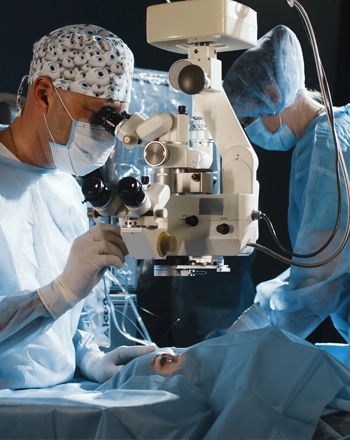


Beyond spectacles and soft contact lenses
Exploring advanced methods of vision correction
Patients seeking visual freedom evaluate options beyond standard glasses. Laser surgery reshapes corneal tissue, while orthokeratology molds the surface overnight, offering correction-free days for active lifestyles without invasive procedures or permanent anatomical changes.
Hydrogel material innovation
Contact lens modalities
Selecting prescribed corrective lenses requires analyzing dryness and ocular physiology. Modern manufacturing creates breathable, hydrated surfaces that adapt seamlessly to the base curvature of every individual cornea.

Daily disposable lenses
Single-use sterile pairs eliminate cleaning solutions and reduce conjunctivitis risks by offering a fresh lens every single morning.

Rigid gas permeable
Firm materials provide crisp optics for high astigmatism and allow significant oxygen permeability to maintain superior corneal health.

Extended wear contacts
Silicone hydrogel enables continuous usage overnight for up to thirty days under strict optometric supervision and safety monitoring.
Disinfection protocol essentials
Care routines for eye safety
Pathogens proliferate in moisture, making sterile disinfection vital for monthly lenses. A rub-and-rinse cycle with multipurpose solution dissolves lipid deposits and protein. Storage cases must be air-dried and replaced frequently to prevent microbial keratitis from affecting the sensitive corneal surface.
Combating dry eyes in digital environments
Prolonged screen time reduces blink rates, causing tear film evaporation and irritation. Specialized lubricating drops mimic natural tears to restore hydration instantly. Additionally, following the 20-20-20 rule allows ciliary muscles to relax, preventing fatigue headaches and maintaining visual comfort throughout the workday.
Preventative protection
Vision defense strategies
Safeguarding sight involves more than correction; it demands shielding retinal tissues from hazards. Routine screenings detect silent pathologies early, ensuring that vision remains sharp and healthy for decades.

UV radiation blocking
Sunglasses filter harmful UVA/UVB rays that accelerate cataract formation and damage the sensitive macula over time.

Dietary nutrient intake
Leafy greens and omega-3 support retinal function and may slow the progression of macular degeneration.
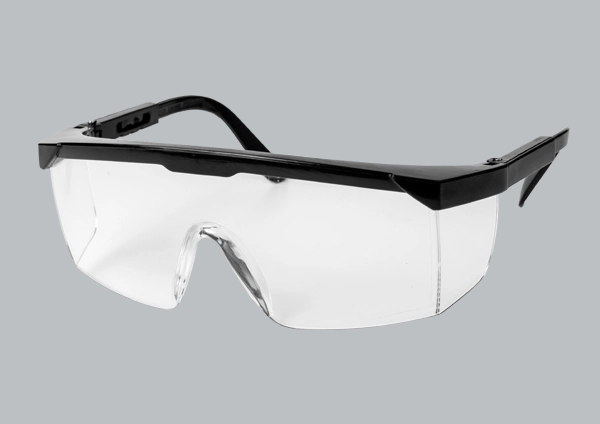
Protective safety eyewear
Polycarbonate goggles shield eyes during sports or DIY projects, preventing traumatic injuries from high-velocity impact debris.
Annual exams ensure clarity
Scheduling comprehensive screenings allows optometrists to track refractive changes. Early detection of diabetes or hypertension occurs during retinal evaluations, making eye exams a vital component of preventative healthcare.